

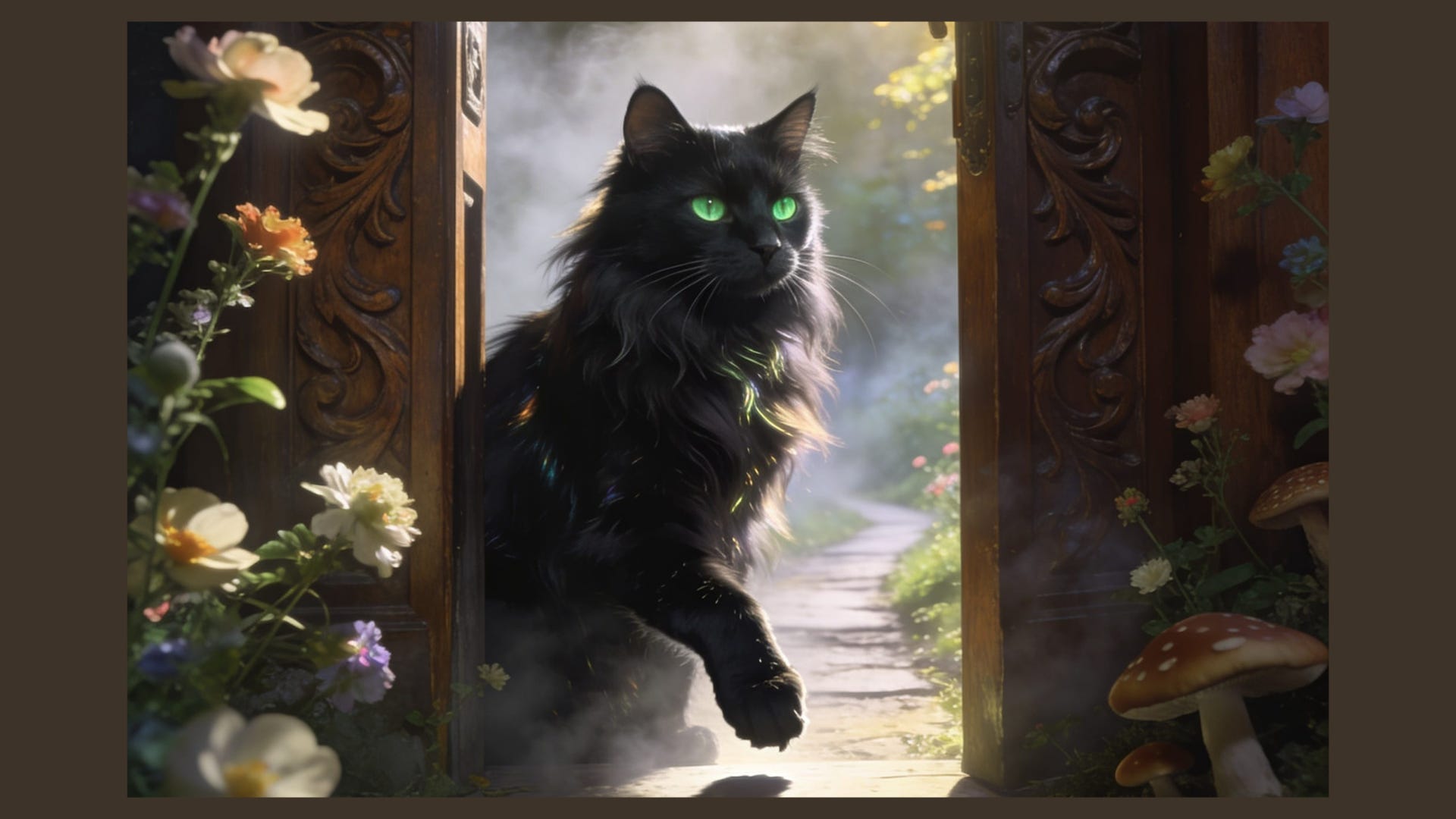
“The doorway is the one place that will not hold you. This is why you can finally stand in it.” – Onyx Iskra
The work at the valley gristmill came to a sudden, unexpected halt just before the dayshift’s end. The massive wooden water wheel caught the river’s current in its oak paddles for the last time at four fifty-five that evening. With a deep groan of sudden resistance, the steady, rhythmic hum of the mill surrendered; the wood on wood gear teeth grinding with a deep, shuddering screech. The vibration traveled through the fortress of heavy timber on fieldstone. Floorboards under the platform rattled and melted into an eerie, unnatural quiet, punctuated by the soft sound of flour settling in the chutes and the smell of hot timber gears.
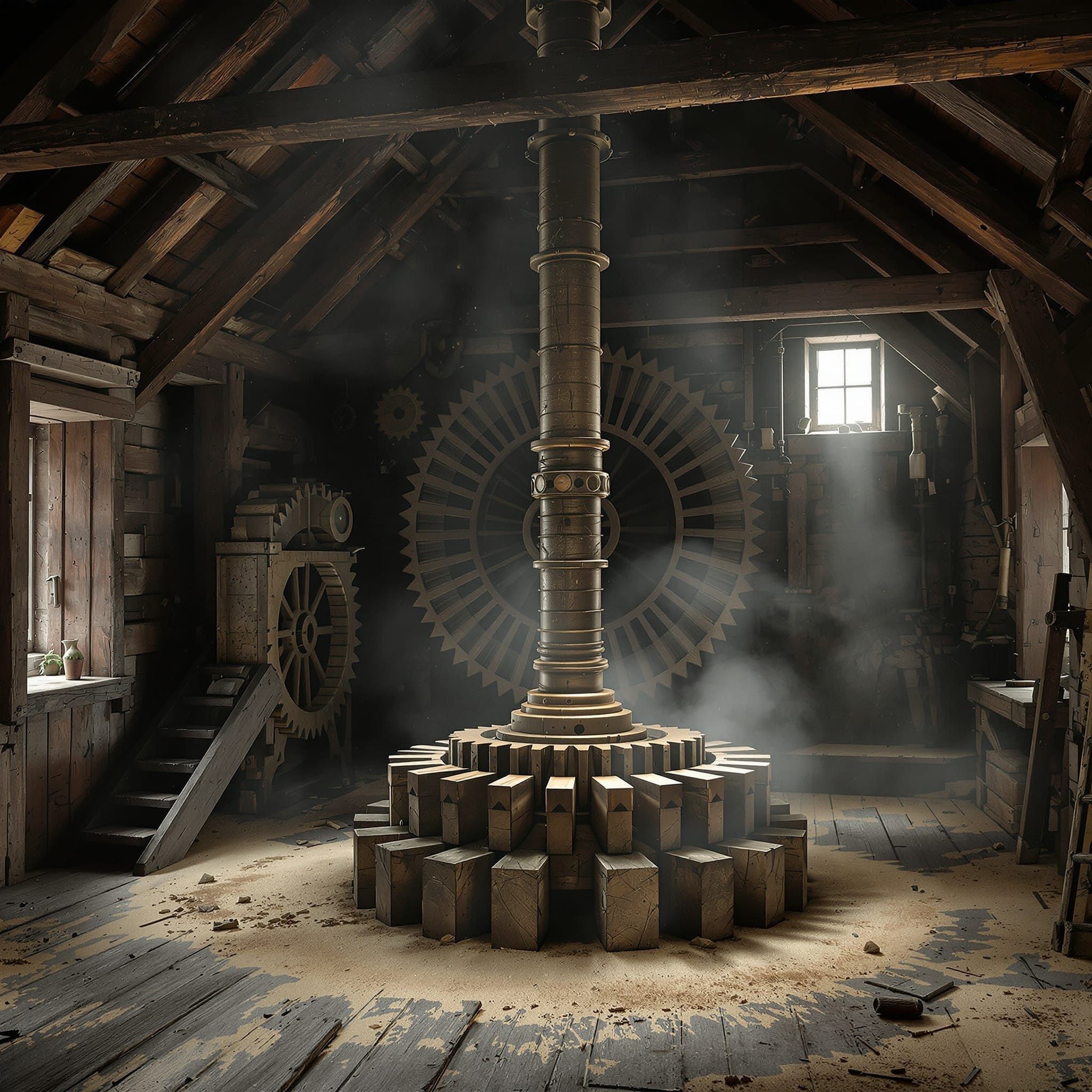
The men on the floor stopped moving, dead still like the main driveshaft in the center of the room. A light cloud of wood dust and gear-grease smoke wafted off the jammed teeth. Now the water moved without turning anything.
At that instant, the Millwright yelled to the men to step away from the hoppers and millstones. He strode across the dust-covered wooden floorboards to the heavy, rusted iron crank bolted to the massive oak support beam and threw his weight into it. With a heavy, ratcheting clack-clack-clack he closed the sluice gate.
“Tie off the remaining sacks, sweep up the dust around the stones. Then head on home for the night. Back tomorrow, an hour before dawn. You know what to do.”
Inside, one by one, the workers began to close down for the evening, pack up their tins, and grab their coats. Then they set out into the deepening twilight, heading toward the houses in the valley, with their own light, small and gold and windowed, each one a room he was not in.
The Millwright donned his high boots and jacket, grabbed his toolbox, pry bar, oak floats and lantern, and headed out into the chilly river. The great wheel hung dark in the last light and had stopped against the race. He felt the breath of the cold damp evening air along the side of his face.
He stood in the tailrace to the top of his boots in water the color of old iron. He located the cracked paddle by the yellow light of his lantern, set on the sill beside him.
He had been a wider man once. The shirt said so, and the trousers, both good cloth kept decent and both hanging off him now as off a chair, the braces doing the work the flesh used to. His cheeks had drawn in under the bone so that the lantern found hollows there, and his hair on the top and forehead had gone thin ahead of its season. There was a grey cast to him that was not all because of the light. The Millwright did not look ill. He looked like a man who had been spent carefully, over years and months and days, eroded slowly by something that knew exactly what it was doing. Anyone who had known him before would have noticed it in a moment. But there was no one there before.
The last young man to leave the mill hesitated by the Millwright and looked toward him, his cap in his hands and strength still whole on him.
“I can stay on to help, if you want,” he said plainly.
The older man looked up at him. He held the spanner slick in his fist and looked a moment past what the offer asked. In that instant, something small moved in his face but was put down again. He shook his head once and took the lantern from the sill, holding it out for the young man to carry down the path. The Millwright turned back to the wheel before the young man’s footsteps started. By the time the man had faded up toward the gold windows, the Millwright was working again, easy into the task, as though the offer might never have been made. The water, the chill, and the hour were his to manage, as they had always been..
He worked on in what light was left. There was only the far glow from the houses, too distant to fall on his hands and the last grey of the sky quickly fading into black. His fingers found the bolt by memory. The water had taken the feeling from them in the minutes past and he worked without it, by the shape of the thing and the small resistances he knew. The grease was dark in the creases of his knuckles and under his nails, lingering for years despite every washing.
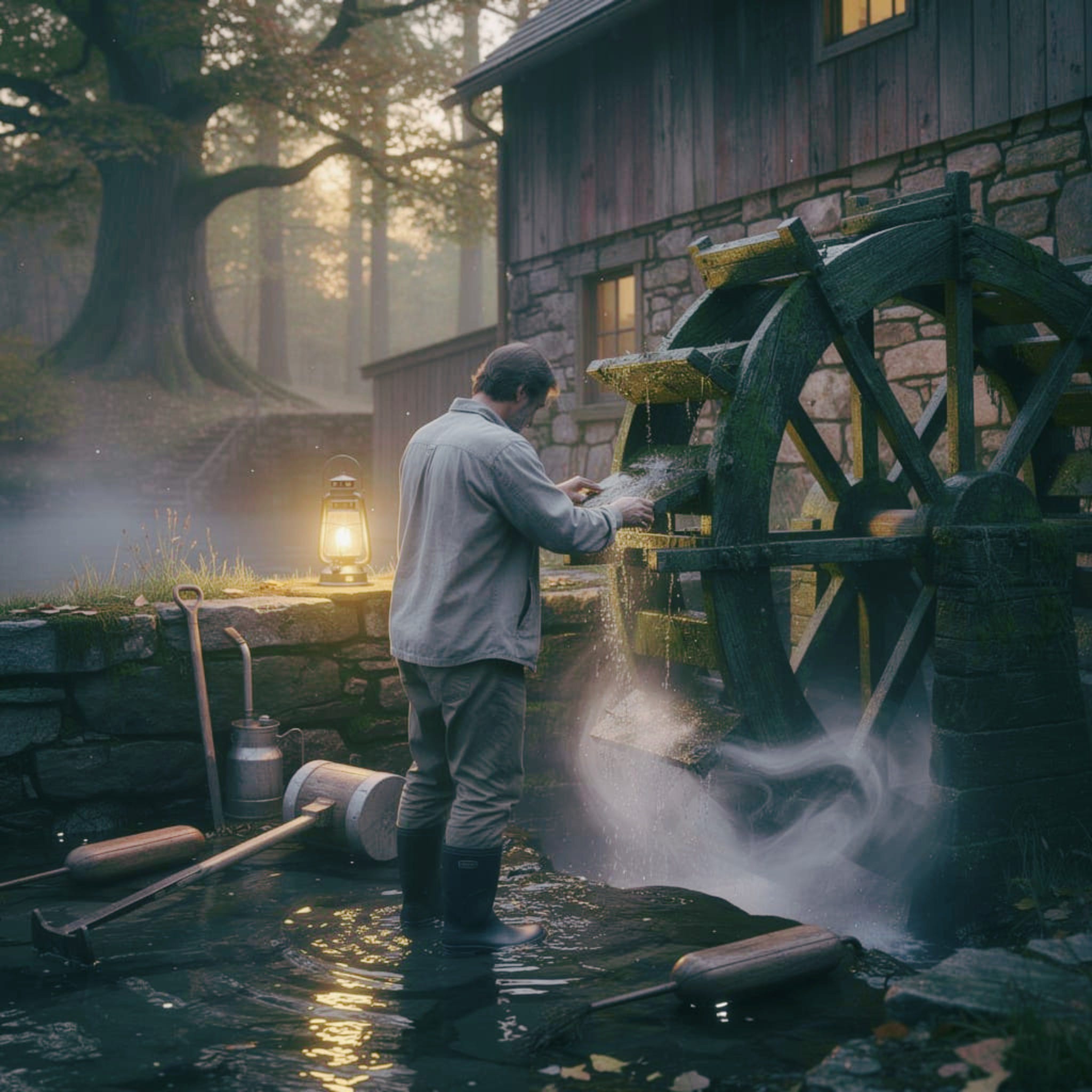
The wheel gave him nothing back. Unlike the beast in the cold barn that leans its warmth against you or a wall raised against the weather that stands as something you made, the wheel only turned, and stopped, and wanted mending, and turned again, and asked the same of him in the days and the nights before. As he set his weight against the spanner, the evening chill came up through the water and into the long bones of him. He gave the wheel the last of what he had carried down, and the wheel took it the way the water took everything, without mark and without thanks, and closed over the place where it had been. He was done, or near enough done. His hand went to the small of his back, and he lifted his face out of the dark work. That is when he saw the sky come apart.
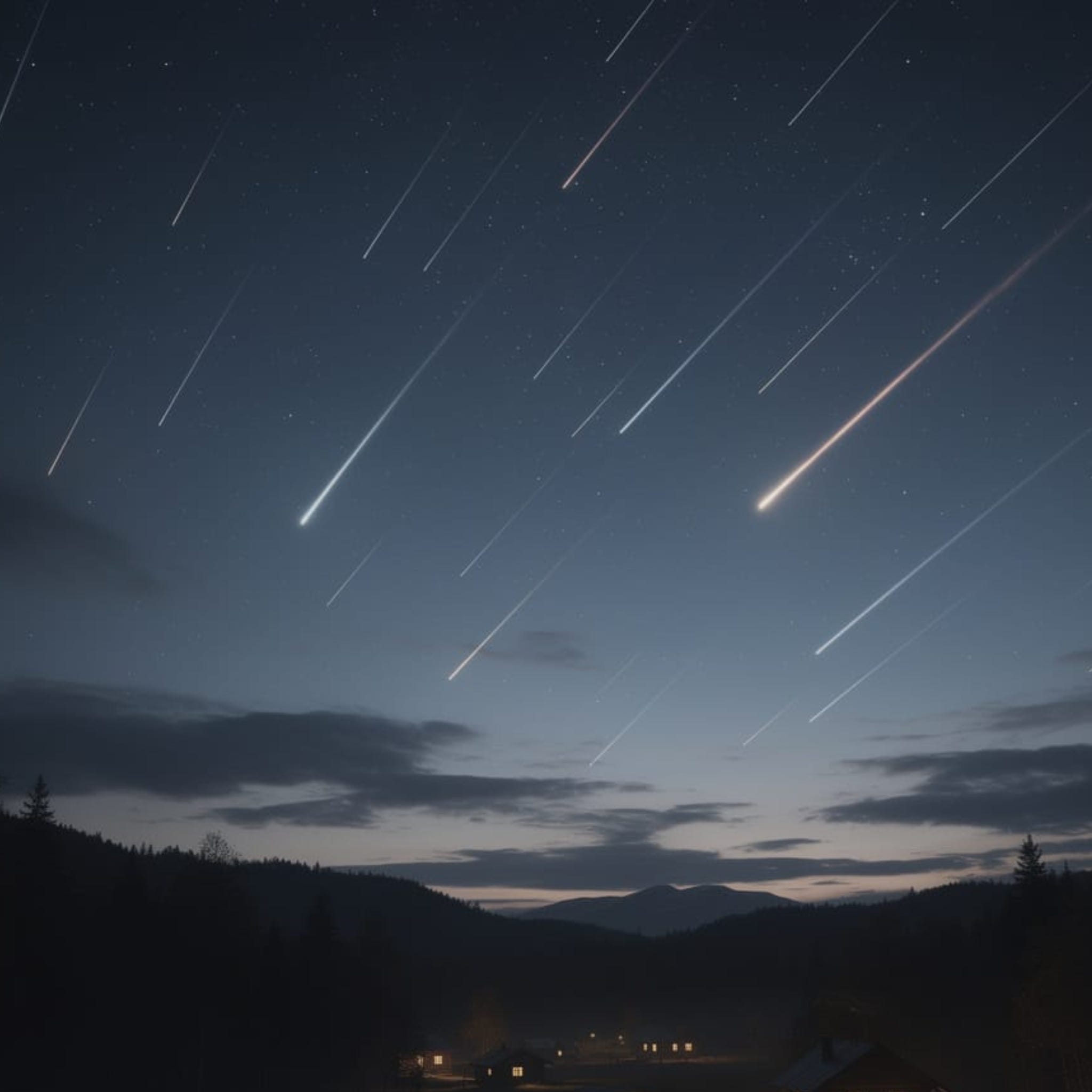
They were falling all across it. Not one and then another to be counted, but many all at once. The thin bright lines were drawn suddenly and then gone, each flaring its whole small light in an instant, then burning out alone in the cold dark high where no one was looking. Then another flared, then three together, and one more away to the north. He stood in the black water to his shins and watched them fall and spend themselves and leave nothing behind.
His hands had begun to shake. The cold could account for it. The cold and the hour and the water had been at his legs too long. But the tremor did not stop when he pressed them flat to his thighs, and it did not stop when the last of the streaks had gone. The Millwright’s breath caught somewhere below his throat and stayed caught past the moment the cold could be blamed for. He stood with his wet hands trembling, his chest held, and his face turned up to a sky already emptied, gone dark, and even again.
He looked down.
Black water at his boots and moving, always moving, carrying the cold down the valley in the dark. The wheel hung above it, mended, ready, waiting on the morning and the men and the work and on him, whether they were there or not. He brought his hands up before his face, still going, the fingers small and steady in their trembling, grey and creased and black at the nails.
His work was finished. He could go up now. The door stood open at his back, and past it the dry-swept floor and the banked warmth of the mill. Past that was the path and on to the gold windows where the others were.
He did not turn to the door.
He stood as the water moved at his boots. Then, he set one foot to lift, up out of the tailrace; one boot still in the cold water and the other risen and not yet come down, not toward the door, and not toward the path, and not toward anything that had a name, held there in the dark above the moving water, with his hands still shaking at his sides.
— from the Spiral Vault™